Two families, one hope for children with KAT6 syndrome and rare diseases everywhere
When children are born with rare genetic conditions, families often enter a long, difficult journey with more questions than answers. Doctors and specialists run tests that seem to pile up, while parents and grandparents search for any small sign of clarity. For many, years can pass before a diagnosis arrives.
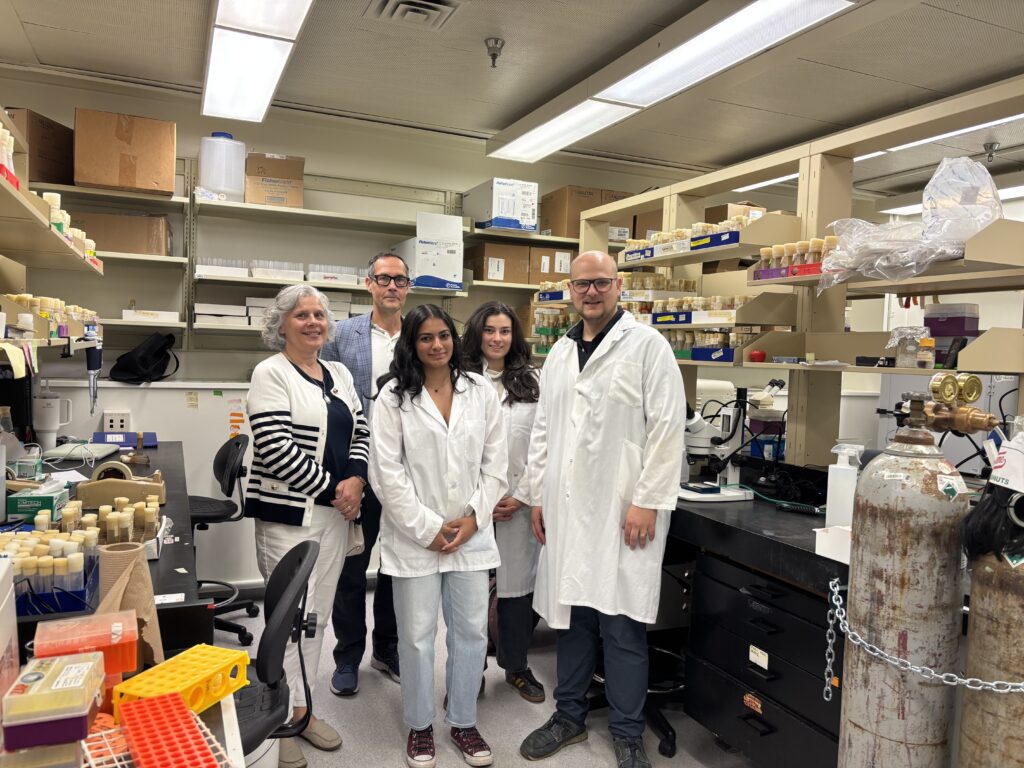
For two families with no previous connection to Manitoba, the Blanch family of Edmonton and the Wasmund family of Vancouver, that search for answers eventually led them to groundbreaking research at the Children’s Hospital Research Institute of Manitoba (CHRIM), the research arm of the Children’s hospital Foundation of Manitoba. At CHRIM, Paul Marcogliese is leading innovative, globally recognized work on KAT6A and KAT6B syndromes.
There are only about 700 confirmed cases of KAT6 syndrome worldwide. It’s caused by changes in the KAT6A or KAT6B genes, and can lead to symptoms like intellectual disability, developmental delays, low muscle tone, feeding issues, heart and gastrointestinal problems, and distinct facial features. Treatment focuses on managing these varied symptoms. These gene variations occur spontaneously, often when no family history is present.
Dr. Marcogliese’s work may bring the Blanch and Wasmund families closer to answers, which in turn provides them with hope. And through their donations to research, they are helping to build a future where children and grandchildren like theirs will no longer face an unknown path.
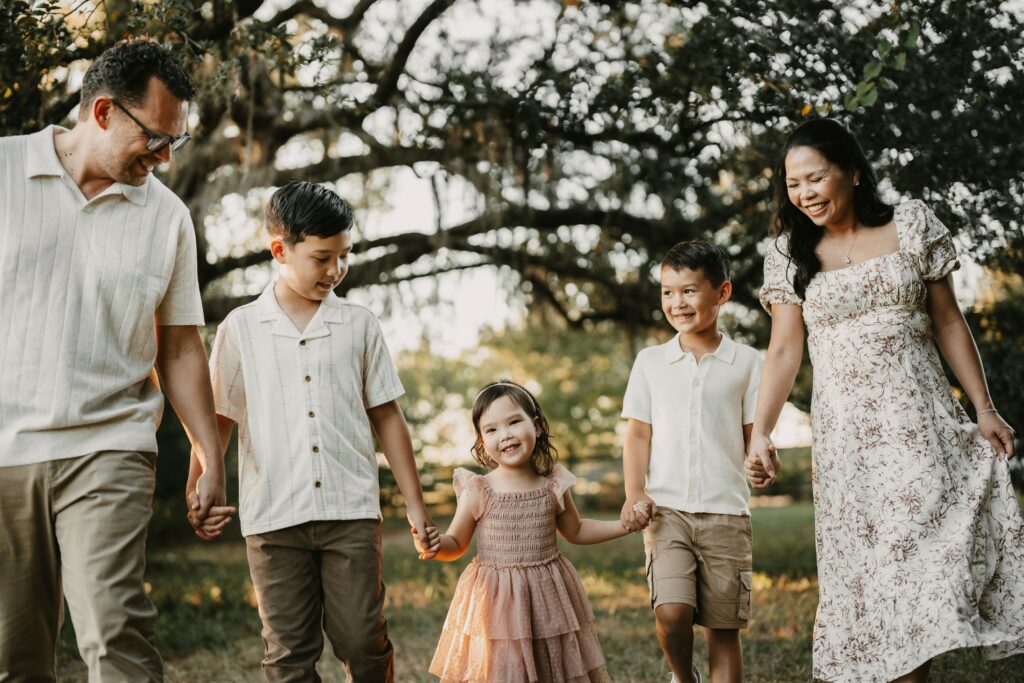
When their granddaughter Audrey was five months old, Morley and Val Blanch learned Audrey had KAT6A syndrome. After a series of seemingly separate medical issues as an infant, Audrey’s parents, Colin and Lindsey, pushed for genetic testing.
“No one knew anything about it,” Val remembers. “We had never heard of KAT6. The doctors had never seen it. It was completely unknown.”
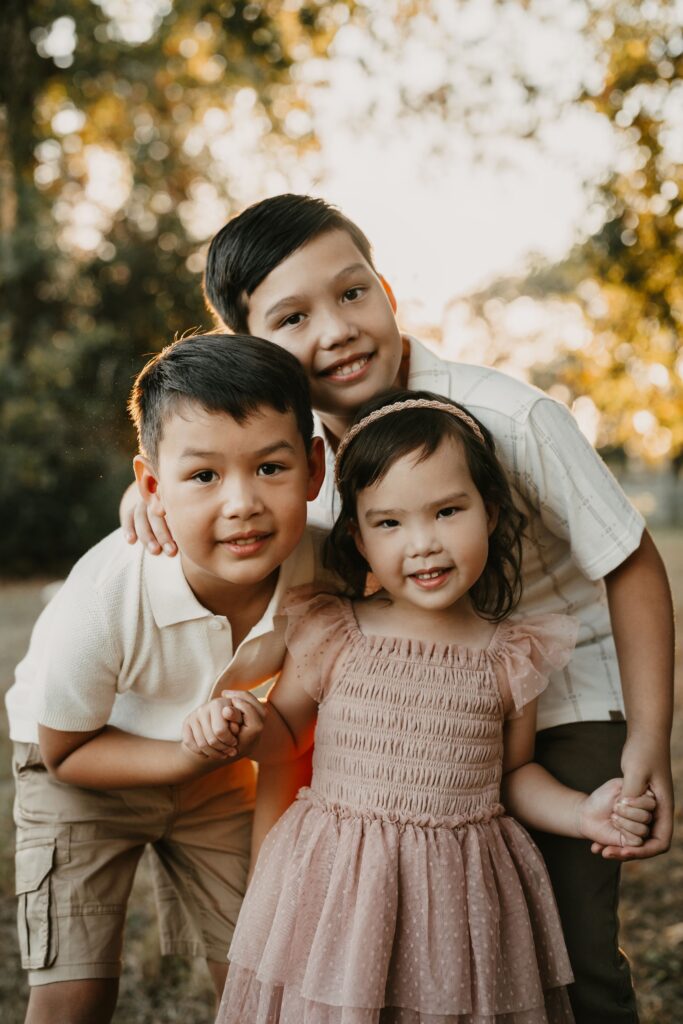
Audrey is now a bright, energetic four-year-old who loves to ride her balance bike, run after her big brothers and is starting to read. Even though her symptoms are milder than many children with KAT6A, unknowns remain about her future development and growth.
The Blanch family has lived through medical uncertainty before. Their son Colin, Audrey’s dad, was diagnosed with type 1 diabetes at age seven. That experience became a defining reminder of what research can do.
“Colin is healthy and thriving today because of decades of medical research,” Val says. “We know firsthand how research changes lives.”
When Colin attended an international KAT6 conference and met Dr. Marcogliese, he told his parents about the CHRIM lab studying the very gene that shaped Audrey’s life. They found it astonishing that the very same genetic change she has could be reproduced in fruit flies to better understand how KAT6 affects development.
“One of the most interesting things to me is how inexpensively Paul can identify a very particular genetic anomaly and recreate that same anomaly in a fruit fly. It’s just pretty neat science really,” says Val.
“We wanted to help,” Morley says. “There are so few researchers working on this so supporting Paul’s team at CHRIM felt like the most meaningful thing we could do for Audrey and for families like hers.”
For Eric and Beverley Wasmund, the road was even longer.
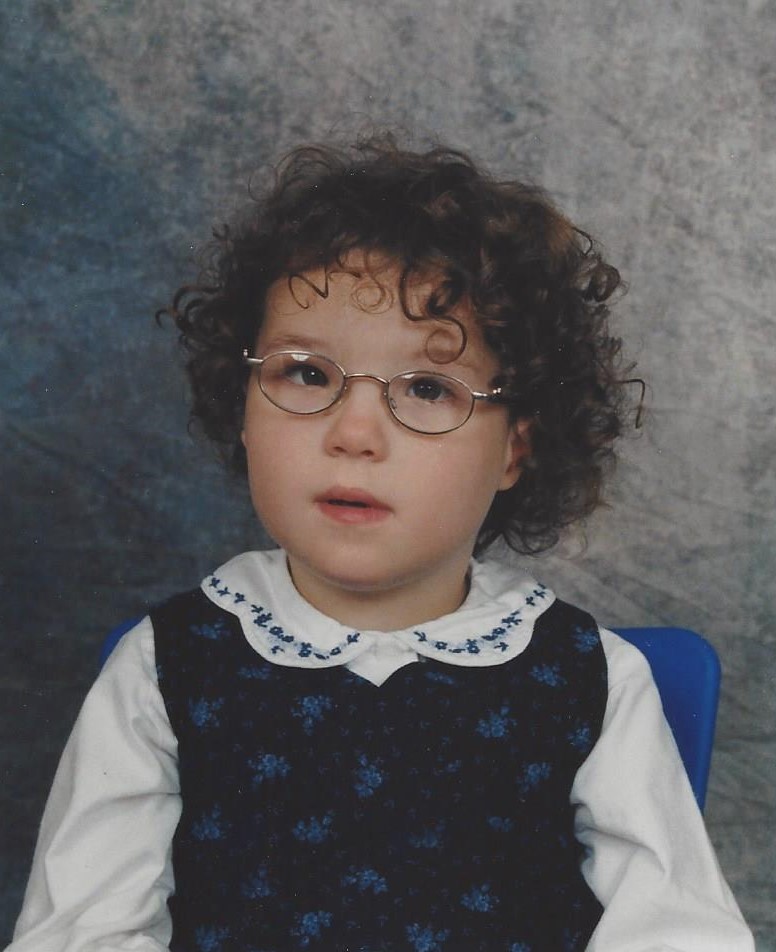
Their daughter Heather was born with challenges no one could explain. She was kind, empathetic and funny but faced hurdles that didn’t fit any known diagnosis. The family sought answers everywhere. They met specialists, went through countless tests and still heard over and over again that no one could pinpoint what was going on.
It wasn’t until Heather was 17 that she finally received a KAT6B syndrome diagnosis.
Her geneticist told the family she had seen only two other cases in 25 years.
“That’s when you realize just how rare this is,” Beverley says. “And just how important research becomes.”
Today, Heather is 26. Heather still has extraordinary compassion. At a conference, despite having unpleasant experiences with needles, Heather volunteered to give blood for research into KAT6.
“I told her, ‘Heather, you don’t have to do it if you don’t want to’ but she stuck out her arm and she really wanted to. She was showing us she would do anything she could to help someone else,” says Beverley.
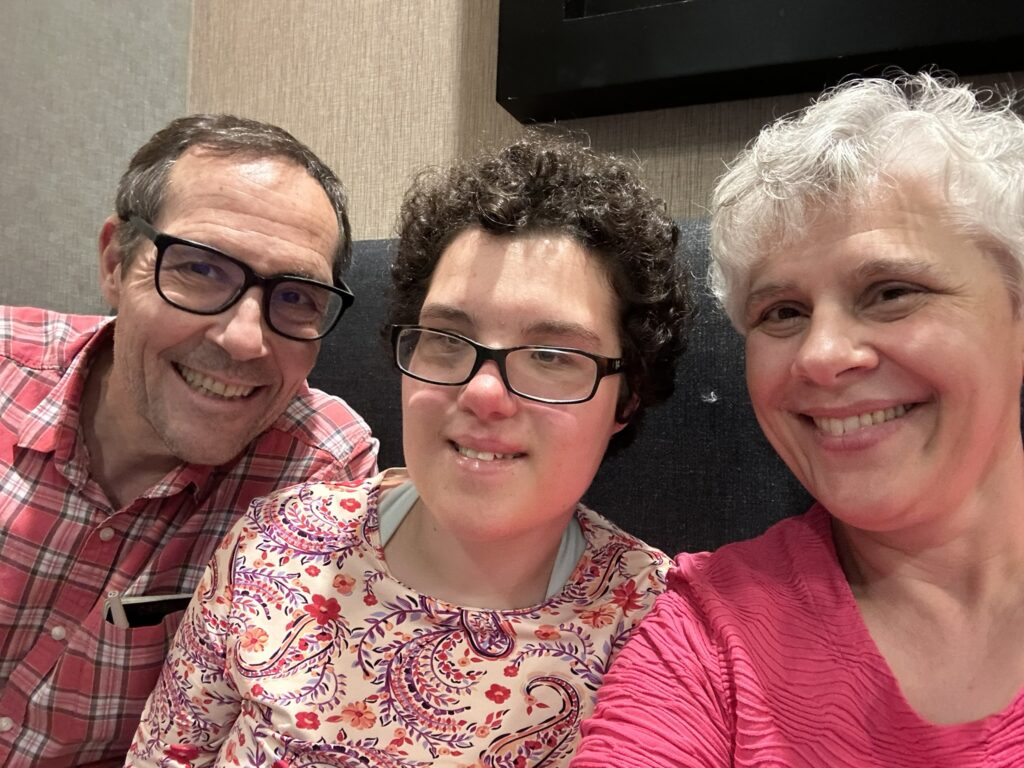
When parents are faced with a condition like KAT6 syndrome it’s easy to understand how helpless they might feel.
“There’s only so much you can do. You can help your son or daughter on the day-to-day, mundane things,” says Eric. “But in terms of the bigger picture, you feel very helpless to do anything. So, donating to Dr. Marcogliese’s lab is one way that we can actually feel helpful – that we’re actually doing something.”
“Paul can do things we can’t even imagine,” Beverley says of Dr. Marcogliese. “So, we support the person who can make a difference.”
Inside Dr. Marcogliese’s CHRIM lab, he and his students study how changes in KAT6A and KAT6B disrupt healthy development. Using fruit flies – a powerful, fast, genetically customizable model – his team can test hundreds of possibilities quickly and safely. It’s work that would be impossible to do directly in children.
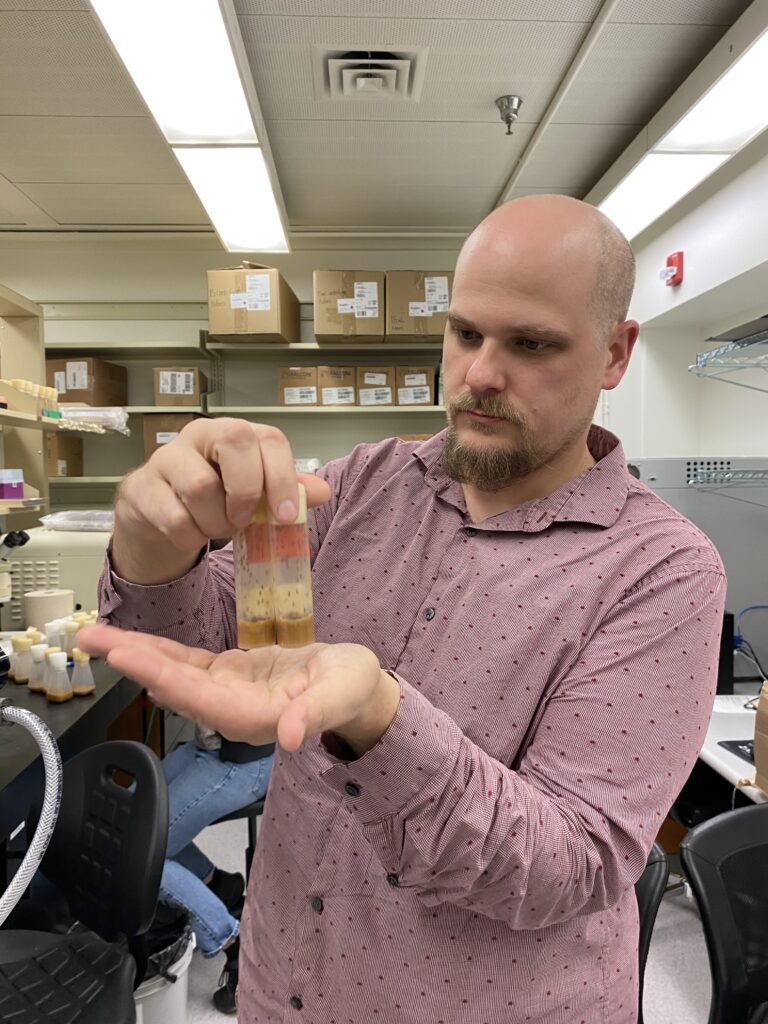
“We’re seeing patterns in our fly models,” Dr. Marcogliese says. “What these genes do in brain development, the pathways they affect, why symptoms appear as they do, and importantly, these fruit flies are actually helping us gain some insight into why each patient looks different – which could help us find therapies that are different and personalized depending on the change in KAT6A or KAT6 a child has. Every discovery builds the foundation for future treatments.”
Rare disease research is difficult. Funding is limited. Patient populations are tiny. This work still has massive impact where scientists can learn from one rare condition that often helps unlock insights into more common ones.
“Supporting early-stage research is how breakthroughs begin,” Paul explains. “One donor can change the trajectory of a field.”
Please support research into childhood diseases.
Stay in touch!
Sign up for e-news to get updates on the latest events, news, and stories.
sign up for the newsletter