Pediatric lung diseases affect nearly one in eight kids in Manitoba, placing limits on their ability to play, learn and simply be kids. Conditions like asthma, allergies and chronic lung disease can lead to frequent hospital visits, missed school days and lifelong health challenges.
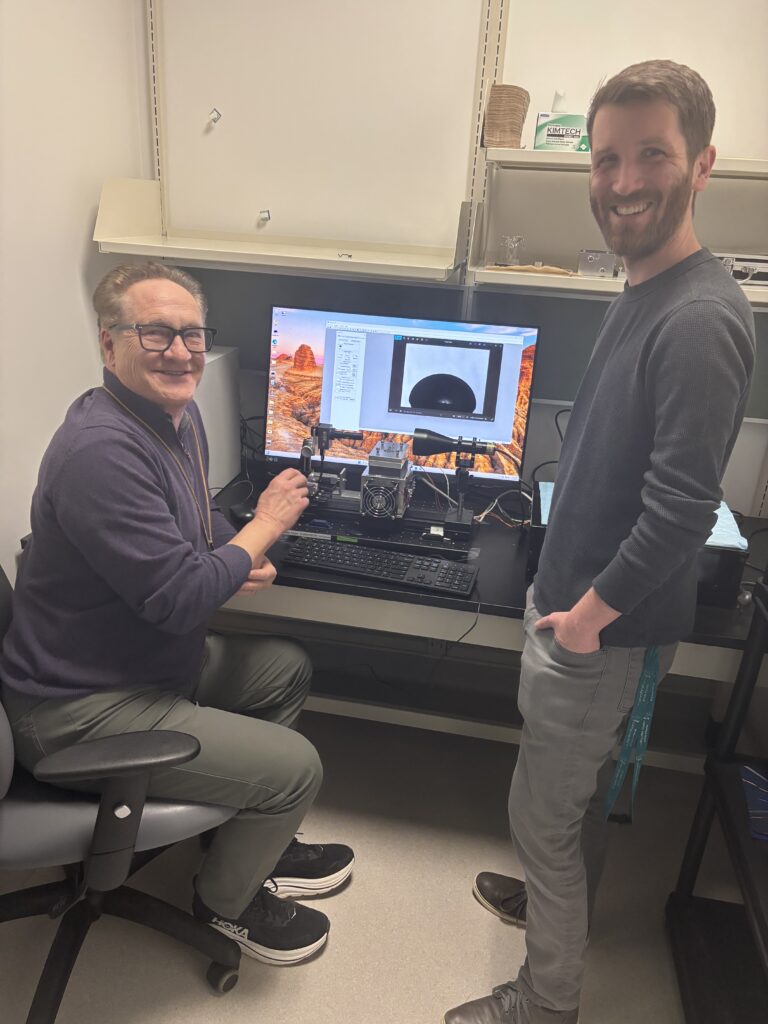
Researchers at the Children’s Hospital Research Institute of Manitoba (CHRIM) are working to change this.
Asthma is now the most common chronic disease in children affecting one in 10 kids. It remains a leading reason children miss school or visit emergency departments. At the same time allergies continue to rise for reasons that are still not fully understood, which research shows increases the risk of asthma and other lung conditions.
Environmental and lifestyle factors add new pressures to children’s developing lungs in the womb, and after birth. Wildfire smoke, industrial pollution and poor air quality linked to climate change are becoming increasingly common in Manitoba. Vaping has emerged as a new public health concern exposing young people to harmful substances that can damage lung tissue. Pregnant women and children are among the most vulnerable to these exposures.
Thanks to advances in child health, babies born prematurely now survive at earlier stages than ever before, but many face ongoing risks from underdeveloped lungs and heightened sensitivity to air pollution.
For families, the impact can be significant. Children with lung disease often spend extended periods of time in hospital and make repeated trips to emergency departments. That’s time taken away from healthy, active childhood.
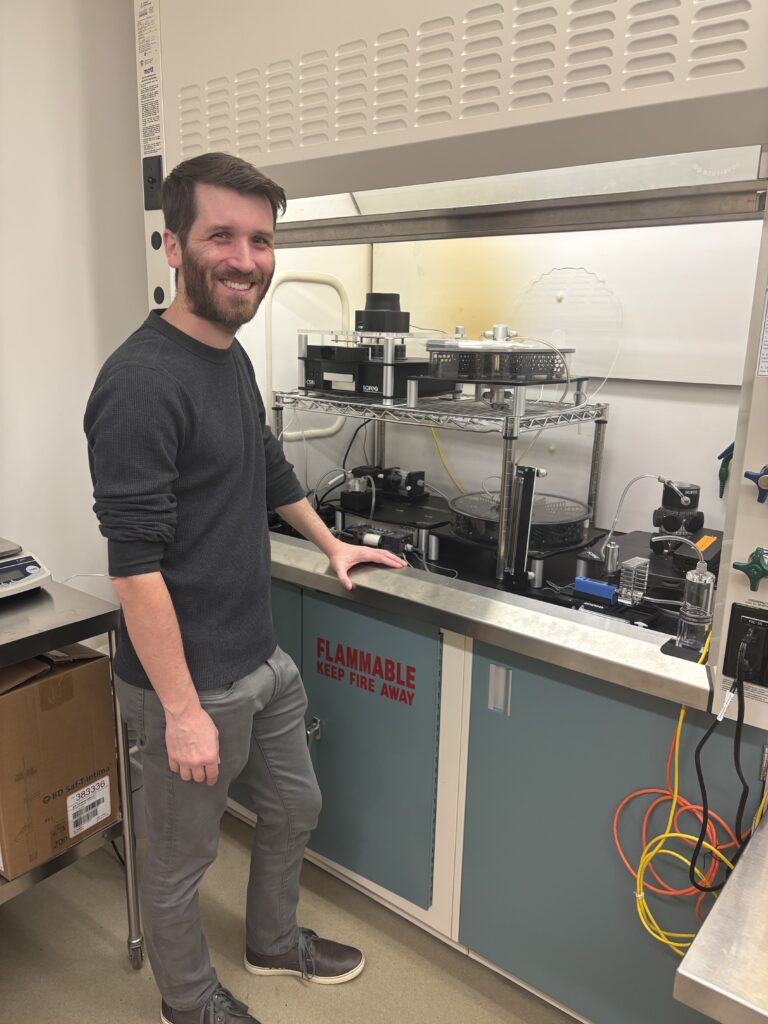
Since 2002, the Biology of Breathing (BoB) research team at CHRIM has been leading internationally recognized work focused on understanding the origins, triggers and risk factors of pediatric lung disease.
Their research goes beyond treating symptoms. The BoB team studies how asthma and allergies develop, how air pollution and wildfire smoke affect growing lungs, how maternal health and behaviour influence lung development before birth, and how best to care for premature babies at risk of chronic lung disease. This work focuses on how babies and children breathe, and what affects this most basic process that sustains life and well being.
This work benefits not only children already living with lung disease, but also helps identify ways to prevent these conditions before they begin.
AirSAFE: a unique Canadian research facility
A cornerstone of this work is AirSAFE – a state-of-the-art research hub housed at CHRIM and the only facility of its kind in Canada.
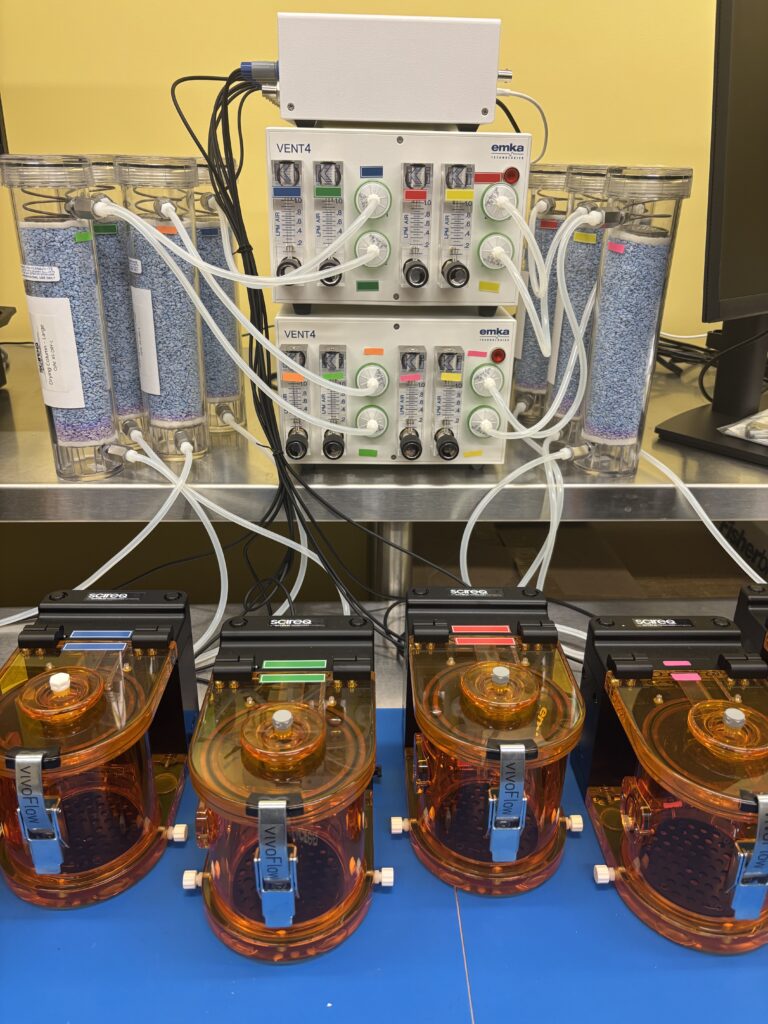
AirSAFE allows researchers to safely simulate real-world air exposures, including wildfire smoke, diesel exhaust, industrial pollution, and vaping aerosols. Using the tools in their labs, scientists can measure how unsafe air affects lung function, inflammation and long-term respiratory health in children, newborns and even babies in the womb.
Research from AirSAFE is helping to shape health guidance and environmental policy by providing concrete evidence of how air quality impacts children’s lungs. These findings also inform how air quality health indexes are interpreted and used as a public health tool to protect families across Manitoba and beyond.
The BoB team is known for translating research discoveries quickly into clinical care. Their work has contributed to life-saving advances, improving treatments for newborns with pulmonary hypertension and providing safer, more effective ways to deliver medications through ventilators.
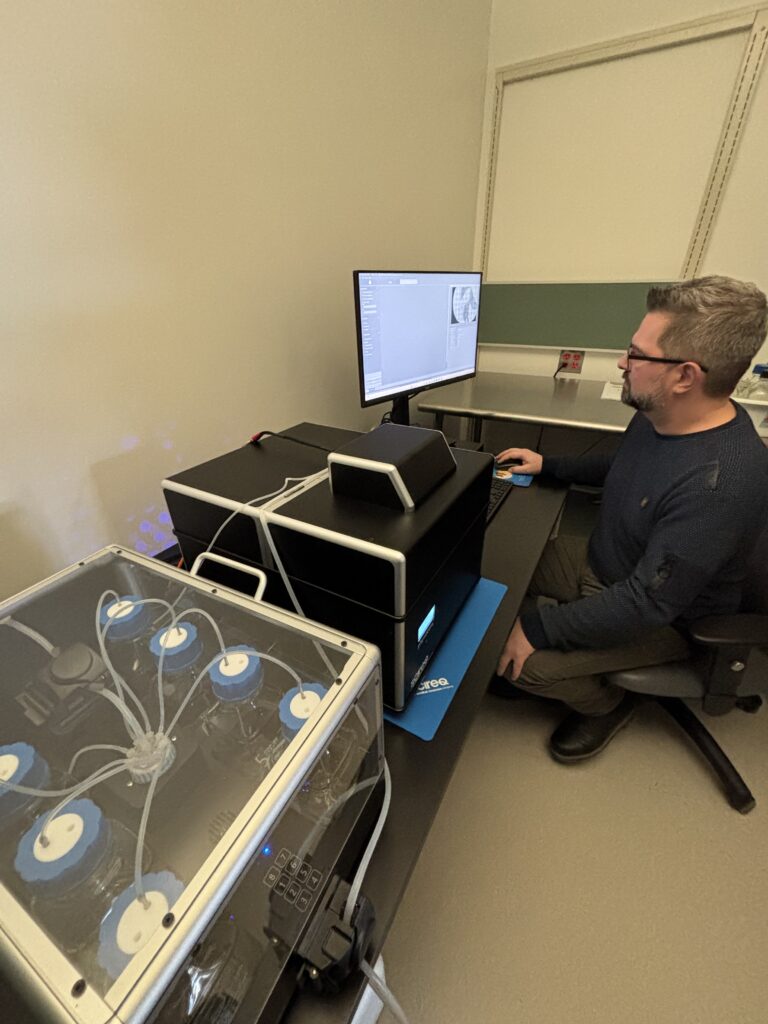
When the COVID-19 pandemic emerged, BoB researchers rapidly shifted their focus to study the short- and long-term effects of the virus on children’s lung health, demonstrating the team’s ability to respond to emerging threats.
The team was also able to quickly pivot and look at the effect of wildfire smoke on children’s lung health when fires raged across Manitoba in 2025.
Donor support plays a critical role in advancing this research.
Philanthropy helps BoB researchers develop new asthma therapies that reduce reliance on steroids, uncover the health risks of wildfire smoke and vaping, and create preventive strategies and treatments that may protect babies before they are born. It also supports new tools to improve care for premature infants and reduce their risk of chronic lung disease.
Every discovery brings researchers closer to a future where more kids are given the chance to breathe easy.
Childhood lung disease can shape a child’s entire life. With earlier diagnosis, better treatment and continued research, that future can change.
By supporting the Children’s Hospital Research Institute of Manitoba, donors help ensure children receive care informed by leading-edge, child-focused research, right here in our community.
Since 1971, the Children’s Hospital Foundation of Manitoba has raised more than $265 million to support sick and injured children from Manitoba, northwestern Ontario and Nunavut. That generosity continues to fuel discoveries that improve care today and transform outcomes for tomorrow.
Support life-saving research here.
Stay in touch!
Sign up for e-news to get updates on the latest events, news, and stories.
sign up for the newsletter